Guide to Launching a Loyalty Program
- 3 hours ago
- 4 min read
Launching a loyalty program can help bring customers back more often, build stronger relationships, and create more consistent engagement over time.
But a successful program needs more than discounts, points, or the occasional offer. It needs to be easy for customers to join, simple to understand, and practical for your team to manage.
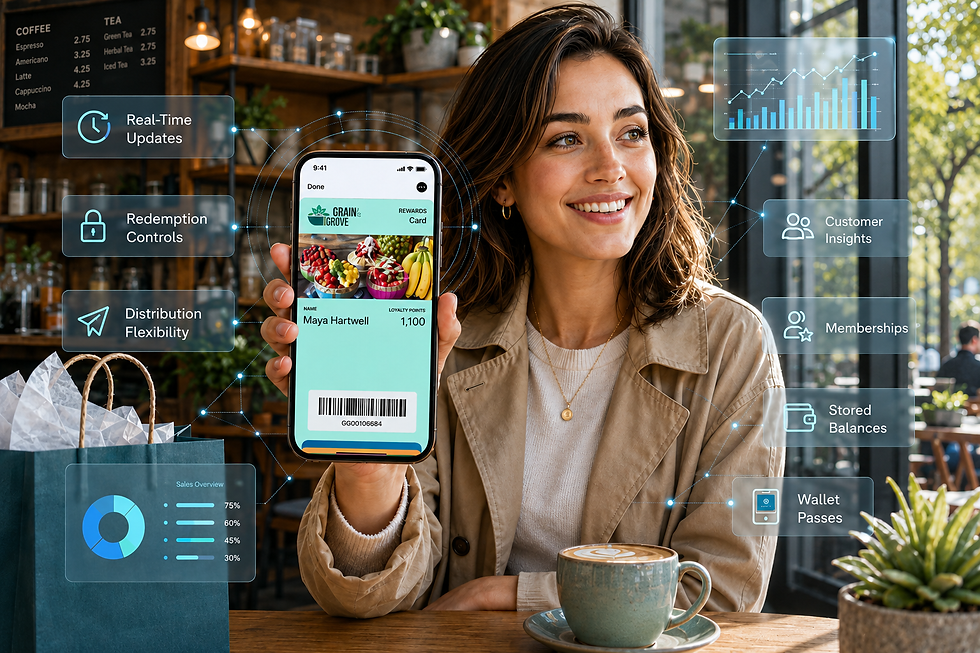
That is why many businesses now use mobile wallet loyalty passes. Customers can save rewards, memberships, offers, balances, and appointment details directly in Apple Wallet or Google Wallet.
This approach can make enrollment and redemption easier while supporting loyalty program best practices that focus on convenience, visibility, and long-term participation.
Start With a Clear Goal
Before you build a loyalty program, decide what customer behavior you want to encourage.
A coffee shop may want more repeat visits. A salon may want customers to book appointments more consistently. A retailer may want to increase average order value, promote seasonal products, or bring customers back after a first purchase.
The goal should shape the program. Without one, loyalty can become too complicated or disconnected from what the business actually needs.
Your reward structure should support the actions that matter most, whether that means more visits, more bookings, higher-value purchases, referrals, or stronger retention.
Keep the Program Simple
Customers should be able to understand your loyalty program quickly.
Make it clear:
How they earn rewards
What rewards are available
How they redeem offers
Whether rewards expire
Simple programs often work better because customers can participate without needing to check instructions, remember complicated rules, or log into a separate account.
For some businesses, a digital punch card works best. Others may prefer points, tiered memberships, stored credits, referral rewards, or limited-time offers.
The right structure depends on how your customers already interact with your business. What matters most is clarity. If customers understand the value right away, they are more likely to come back and use it again.
Make Enrollment Easy
Customers are more likely to join a loyalty program when the process is simple.
Long forms, required app downloads, password setup, and complicated account creation can slow people down before the program has a chance to work.
Most customers want an easy way to save their rewards and keep moving.
Wallet-based loyalty passes make that possible. A customer can add a pass to Apple Wallet or Google Wallet from a QR code, text message, email, or website link. Once saved, the pass stays on their phone where they can find it when they need it.
That makes enrollment easier for customers and easier for businesses to promote across in-store, online, and campaign channels.
Keep the Program Visible After Signup
One of the biggest challenges with traditional loyalty programs is that customers forget about them.
Physical cards get lost. Apps go unopened. Email promotions get buried. Even strong offers can underperform if customers do not see them at the right time.
Wallet passes help solve this by keeping rewards in a place customers already use. The loyalty pass sits alongside payment cards, tickets, and other frequently accessed items on the customer’s phone.
Businesses can also update wallet passes with details like:
Point balances
Reward progress
Membership status
Promotional offers
Appointment reminders
Addtowallet supports real-time wallet pass updates for Apple Wallet and Google Wallet, so businesses can keep loyalty information current without asking customers to reinstall a pass or log into a separate system.
Make Redemption Simple for Staff and Customers
A loyalty program should make checkout easier, not more confusing.
When the redemption process changes by location, employee, or system, customers can lose confidence in the program.
Wallet-based loyalty passes can help reduce that confusion. Customers and staff can reference the same scannable pass during redemption.
Features like real-time verification, scanner permissions, and dynamic pass updates can also help teams manage redemptions more consistently. The smoother the process feels, the more likely customers are to keep using the program.
Use Personalization Thoughtfully
Personalization can make a loyalty program more useful when it feels relevant and timely.
Businesses may choose to offer:
Birthday rewards
Visit milestones
Tier unlocks
Referral incentives
Location-specific offers
These moments can encourage customers to return without relying on constant discounts or heavy promotions.
The key is to keep communication focused. A timely reward can feel helpful. Too many messages can feel distracting.
The best loyalty programs use personalization to support the customer relationship, not overwhelm it.
Track Program Performance Over Time
A loyalty program should not stay the same forever. Once it launches, track how customers actually use it.
Useful metrics may include:
Pass installs
Repeat visits
Reward redemptions
Offer engagement
Membership activity
Customer retention
These insights can show which rewards are working, which offers are being ignored, and where customers may be running into friction.
They can also help teams spot operational issues early, such as confusing redemption rules, low participation, or offers that are not driving the behavior they were designed to support.
The goal is simple: keep improving the program based on real customer behavior, not assumptions.
Loyalty Programs Work Best When They Feel Convenient
Customers are more likely to stay engaged with loyalty programs that fit naturally into their day.
The easier it is to access rewards, check balances, and redeem offers, the more valuable the program becomes.
Wallet-based loyalty passes help by keeping rewards, memberships, offers, and balances in one accessible place on the customer’s phone. No app download required.
Addtowallet helps businesses create and manage loyalty rewards, memberships, appointment check-ins, stored balances, and promotional offers in Apple Wallet and Google Wallet.
For businesses launching a new loyalty program, convenience can make a big difference. When the program is easy to join, easy to remember, and easy to manage, customers are more likely to use it again.